What the scope may include
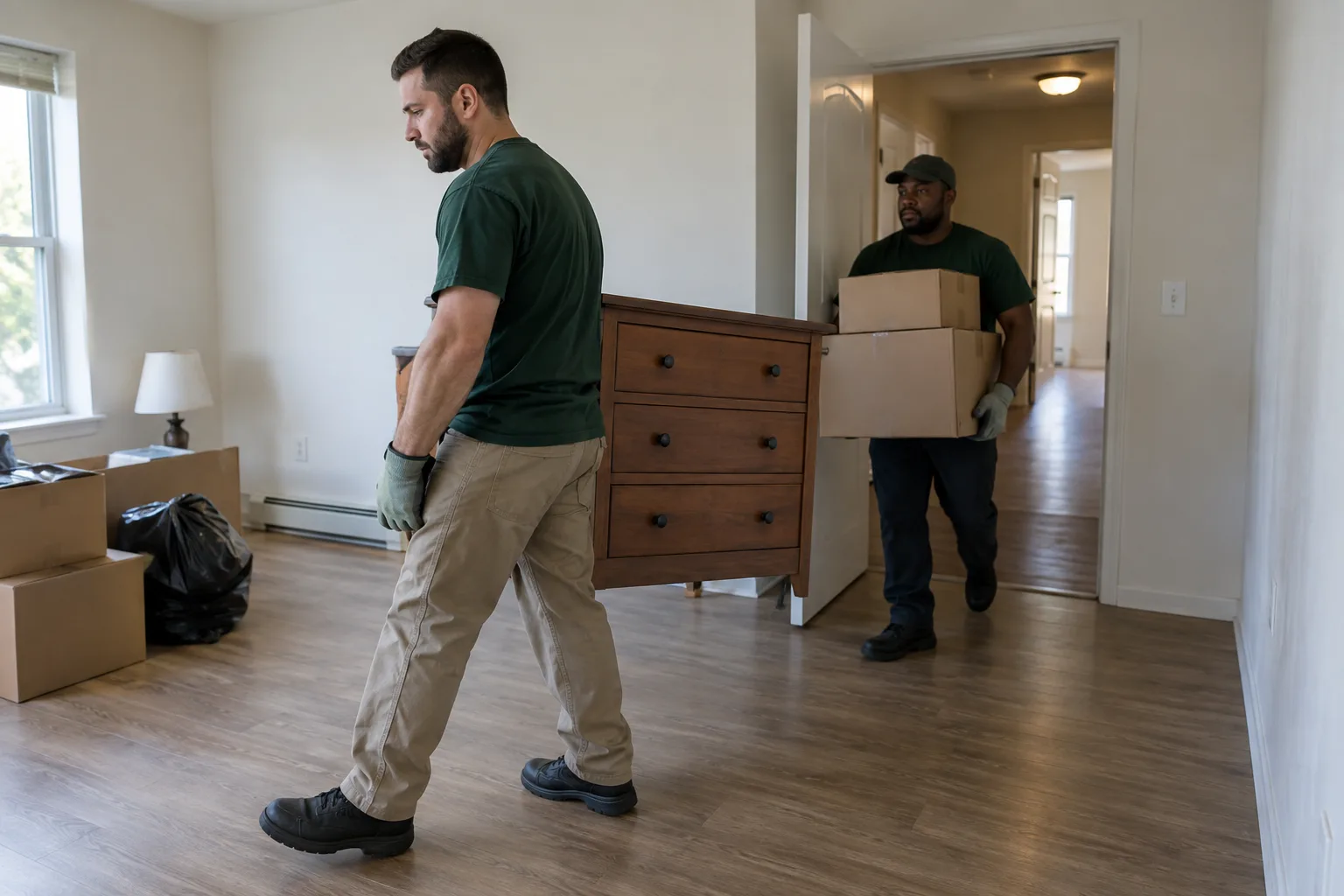
- Move-out contents left in agreed rooms
- Furniture, boxes, and ordinary household debris
- Storage, balcony, or patio items named in the scope
What needs a separate conversation
- Repairs, painting, or deep cleaning unless separately agreed
- Tenant property that has not been lawfully released
- Hazardous, medical, or regulated waste
What shapes the estimate
A useful estimate describes the load and the building, not only the number of rooms.
- Room count and item volume
- Deadline before the next trade arrives
- Access coordination with management
- Large-item disassembly
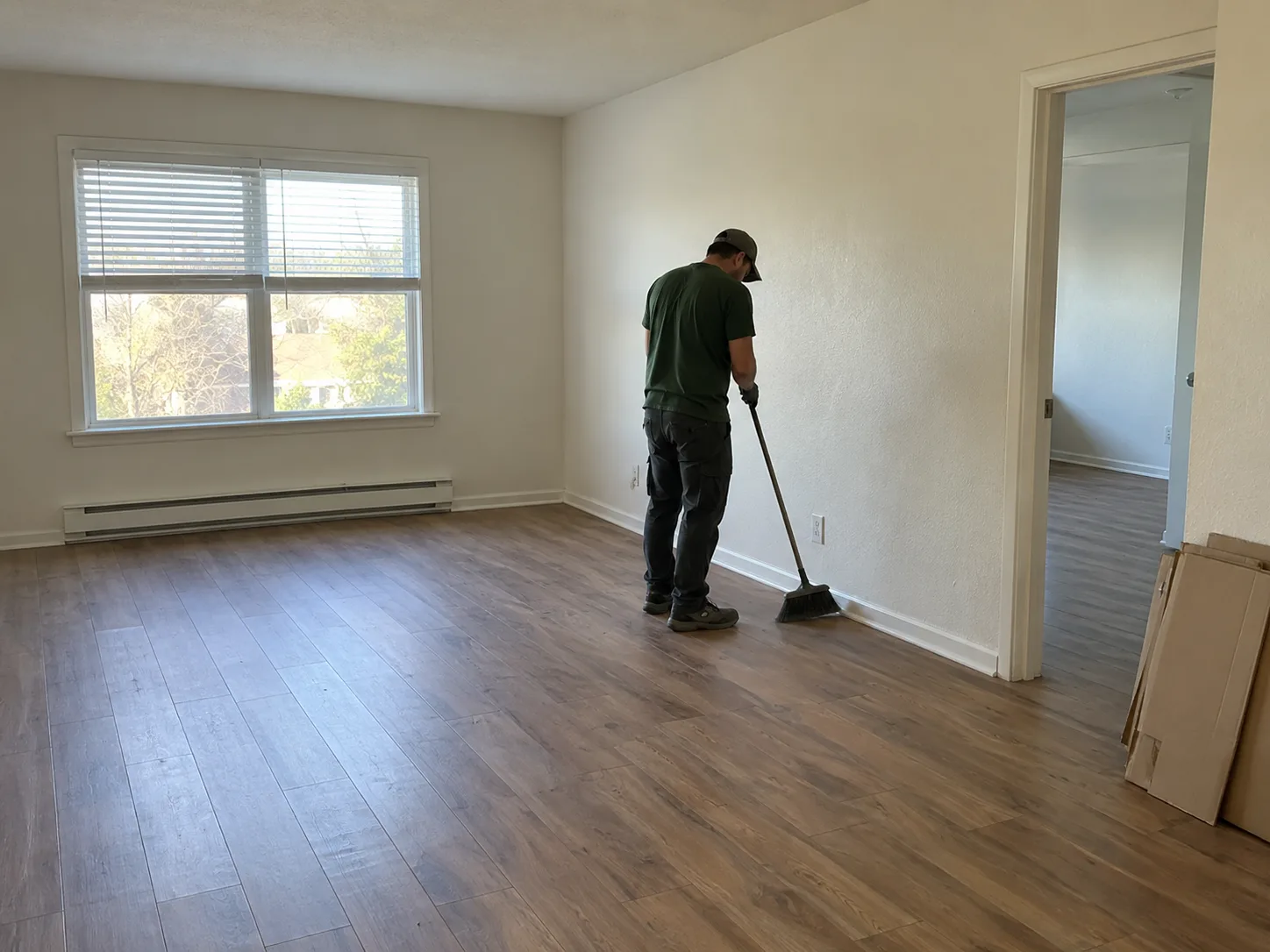
- Final handoff condition
Prepare the unit
Mark the items that stay, collect keys or access codes, confirm management rules, and identify the best loading path. If the unit contains anything unusually heavy, damaged, wet, sharp, or potentially infested, mention it before scheduling so the work can be assessed accurately.
Questions to answer before the call ends
Can the crew use the building elevator?
Confirm whether it must be reserved, padded, or used only during certain hours.
Does everything in the unit go?
Use room labels or a written keep list. Do not rely on assumptions when some items remain.
Is parking close to the entrance?
Loading-zone distance and vehicle access affect carrying time and equipment choices.
Read the related preparation guide or review nearby service-area planning pages.